Celanese’s Bio-based TPE: A Game Changer in Sustainable Footwear
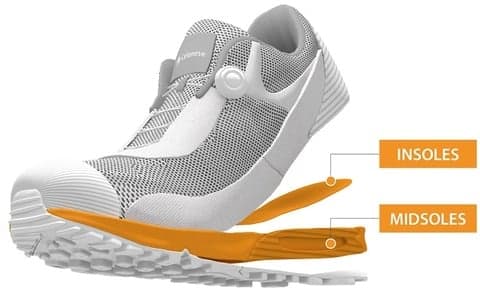
Celanese's bio-based TPE brings at least 20% bio-content into footwear compounds while retaining the grip, durability and processing behaviour of a conventional TPE.
In the quest for more sustainable and eco-friendly materials, Celanese has made significant strides with their introduction of a bio-based thermoplastic elastomer (TPE) for foamed footwear. This innovative material promises to revolutionize the footwear industry by combining high performance with environmental responsibility.
Key Features and Benefits
- Bio-content: The new TPE from Celanese contains at least 20% bio-content. This is achieved through the use of renewable resources, reducing reliance on fossil fuels and lowering the carbon footprint of the footwear produced.
- Foaming Process: Utilizing a physical supercritical fluid foaming process, Celanese’s TPE ensures that the material maintains its structural integrity while being lighter and more comfortable. This process enhances the overall performance of the footwear by providing superior cushioning and support.
- Environmental Impact: The use of bio-based materials significantly decreases the environmental impact. By incorporating renewable resources, Celanese contributes to a more sustainable supply chain and promotes the reduction of waste.
Applications in Footwear
Where it is used in a shoe
Celanese’s bio-based TPE is versatile and can be used in various parts of the shoe:
- Midsoles: The lightweight and cushioned nature of the TPE makes it ideal for midsoles, providing excellent shock absorption and comfort.
- Outsoles: The material’s durability ensures that outsoles are resistant to wear and tear, extending the life of the footwear.
- Insoles: With its flexible and supportive properties, TPE insoles offer enhanced comfort for the wearer.
Industry Response and Future Prospects
Industry response
The introduction of Celanese’s bio-based TPE has been met with enthusiasm from both manufacturers and consumers. As sustainability becomes a central concern for the footwear industry, materials like this are likely to see increased adoption. The bio-based TPE not only meets the performance standards expected by consumers but also aligns with the growing demand for environmentally friendly products.
Conclusion
What it means for footwear
Celanese’s bio-based TPE represents a significant advancement in the footwear industry, combining performance with sustainability. As the industry continues to innovate, materials like this will play a crucial role in shaping the future of footwear. By integrating bio-based TPE into their products, manufacturers can offer consumers high-quality, eco-friendly options that do not compromise on performance.
For more detailed information, you can visit European Rubber Journal and ExhibitorsVoice.
FARRPRENE GRADES
Grades commonly specified for footwear applications
| GRADE | HARDNESS | TENSILE (MPa) | TYPICAL USE |
|---|---|---|---|
| IU250AInjection / Unfilled | 25 Shore A | 4 | Ultra-soft straps, cushioning inserts and comfort components |
| IU450AInjection / Unfilled | 45 Shore A | 4 | Flexible straps and soft overmoulds |
| EU400AExtrusion / Unfilled | 40 Shore A | 5.5 | Soft extruded welts and trims |
| IF753AInjection / Filled | 75 Shore A | 7 | Firmer outsole and structural footwear parts |
Typical average values from a limited sample set; not a formal specification. Request the signed datasheet for current values.
MORE INSIGHTS
View All Articles