TPE for Headphones: A Comprehensive Overview of Material Selection and Application in Audio Devices
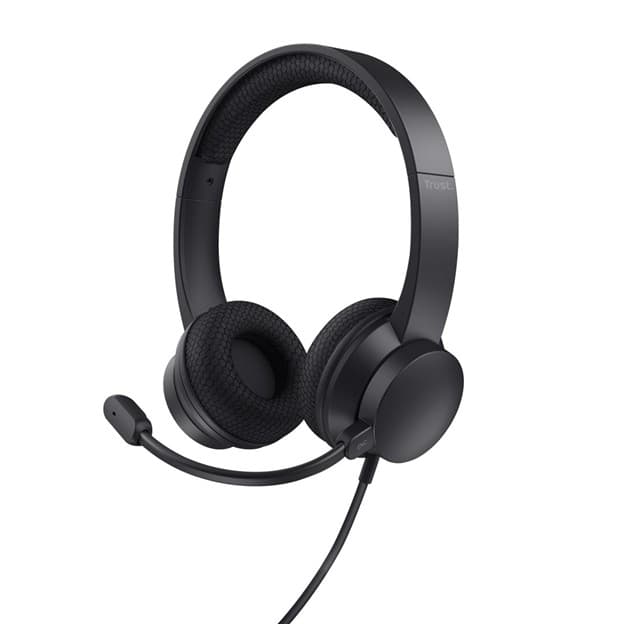
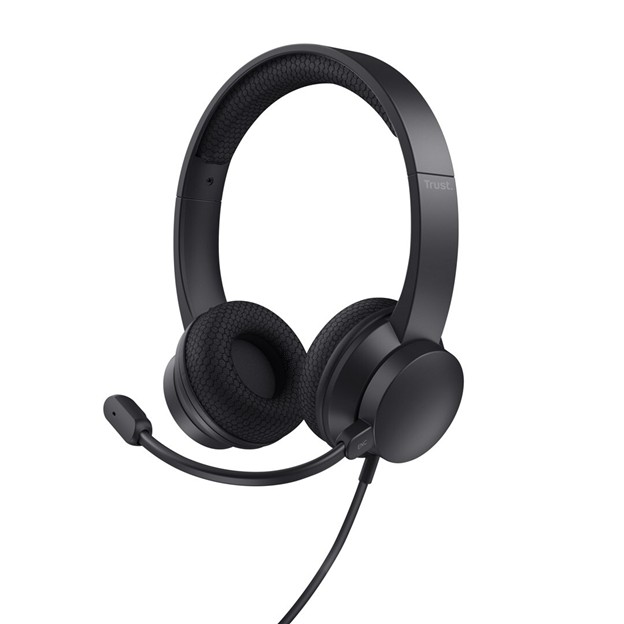
Thermoplastic elastomers (TPEs) have increasingly become the preferred choice of material in the headphone and headset industry, especially due to their optimal performance for medical and personal-use products. This article explores the properties, advantages, and critical criteria of selecting TPE for headphones, emphasizing their safety, comfort, and compatibility with engineering thermoplastics in headphone manufacturing.
The selection of raw materials in producing medical, healthcare, and personal-use items—particularly those in direct skin contact—is critically significant. These applications are governed by strict safety and quality standards. Among the materials suitable for such demanding applications, thermoplastic elastomers (TPEs) stand out. TPE for headphones specifically meets these rigorous standards, offering unmatched comfort, safety, and versatility.
Properties and Advantages of TPE for Headphones
Thermoplastic elastomers are characterized by their unique combination of elasticity and plasticity, enabling the material to be tuned precisely according to product requirements. TPE for headphones provides a distinct advantage, particularly in:
- Softness and comfort, essential for extended periods of headphone use.
- Flexibility and durability, ensuring reliable long-term performance.
- Excellent resistance to wear and chemical stability, crucial for maintaining safety and hygiene.
Moreover, the ability of TPEs to meet stringent safety requirements for skin contact applications significantly boosts their attractiveness to headphone manufacturers. These materials ensure minimal risk of skin irritation or allergic reactions, making TPE for headphones an optimal choice for consumer safety and satisfaction.
Critical Criteria for Selecting TPE for Headphones
To ensure optimal performance, safety, and user comfort, the selected TPE for headphones must fulfill several critical criteria:
- Suitable Hardness: The hardness level must balance user comfort and structural integrity, preventing discomfort during extended use.
- Skin Compatibility: The material should demonstrate no adverse reactions with human skin, eliminating risks of allergies or irritation.
- Component Stability: No migration of internal components to the surface must occur, ensuring sustained safety and hygiene.
- Prolonged Wear Comfort: TPEs must not exert excessive pressure on the skin, allowing comfortable, continuous use without irritation or discomfort.
Adhesion and Compatibility Considerations
In headphone design, it is common for TPE layers to be applied over structural components made from engineering thermoplastics. Consequently, another critical property of TPE for headphones is its ability to adhere strongly to the underlying polymer. This adhesion ensures both comfort and durability, preventing layer separation and maintaining structural stability. Compatibility with commonly used thermoplastics such as polycarbonate (PC), ABS, and polypropylene (PP) further reinforces the value of selecting appropriate TPE grades for headphone manufacturing.
Conclusion
Thermoplastic elastomers have become a leading material choice for headphone and headset production. Their inherent flexibility, skin-friendly attributes, and excellent compatibility with engineering thermoplastics underscore the importance of TPE for headphones in modern audio device manufacturing. By addressing critical performance criteria, manufacturers can ensure user safety, enhanced comfort, and prolonged product lifespan, solidifying TPE’s position as the optimal choice in the headphone industry.
FARRPRENE GRADES
Grades commonly specified for wire and cable applications
| GRADE | HARDNESS | TENSILE (MPa) | TYPICAL USE |
|---|---|---|---|
| IU450AInjection / Unfilled | 45 Shore A | 4 | Soft, flexible strain reliefs and cable boots |
| IF701ASInjection / Filled | 70 Shore A | 5 | Strain reliefs and connector overmoulds |
Typical average values from a limited sample set; not a formal specification. Request the signed datasheet for current values. Mechanical fit only (flexible accessories, not the conductor insulation). Flame-retardant, halogen-free and electrical performance require a separately qualified grade - contact us.
ABOUT THE AUTHOR
Technical Content Lead
Writes the Farr Polychem technical library, covering thermoplastic elastomer chemistry, grade selection and processing for design and manufacturing engineers.
VIEW PROFILE →MORE INSIGHTS
View All Articles