Thermoplastic Elastomers (TPEs) for Cane Handle and Shock Absorber Design
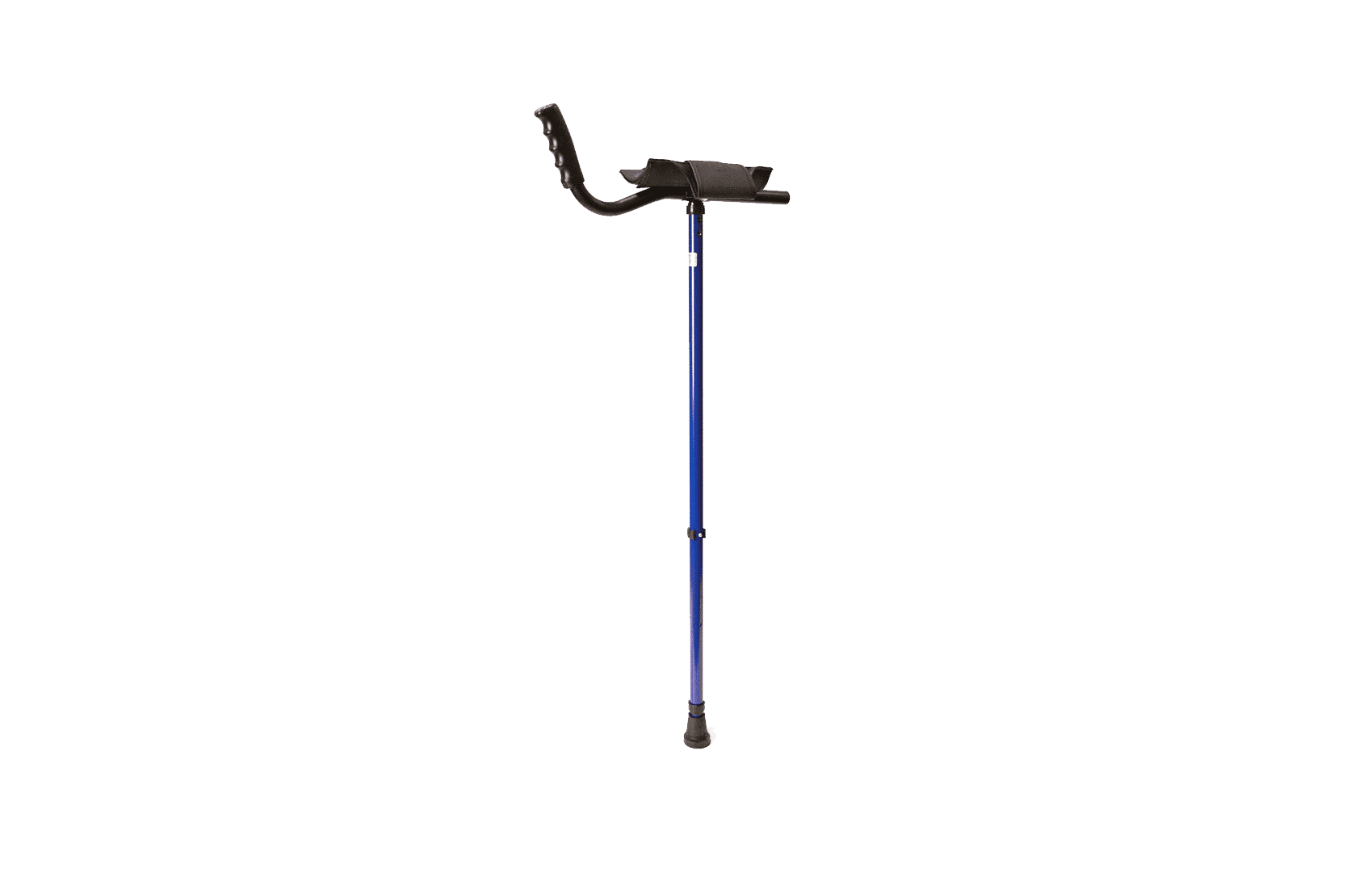
A walking cane asks two different jobs of one material family: a handle that is comfortable, grippy and safe against skin, and a shock absorber that damps impact repeatedly without taking a permanent set.
Thermoplastic Elastomers (TPEs) are an ideal material for individuals with limited balance or mobility who rely on canes to improve their independence and quality of life. A successful cane design must prioritize both the ergonomic shape and the use of high-performance materials—especially in components such as the cane handle and the shock absorber.
What the handle and the shock absorber must deliver
The cane handle material must ensure the right level of hardness, resistance to deformation, color stability, and safety for direct skin contact. Meanwhile, the shock absorber plastic at the base of the cane must endure frequent impacts, provide consistent pressure resistance, and resist wear from daily use. Both parts must also withstand sterilization without degrading.
Why TPE suits mobility aids
Thermoplastic Elastomers (TPEs) are an ideal choice for these applications. Their unique combination of flexibility, durability, and biocompatibility allows manufacturers to meet strict mechanical and comfort requirements. Additionally, Thermoplastic Elastomers (TPEs) offer excellent processing advantages, supporting both injection molding and overmolding on rigid substrates.
Selecting the right grade
Choosing the right grade of Thermoplastic Elastomers (TPEs) is essential to ensure that both the cane handle and shock absorber perform optimally under repeated use while maintaining safety and comfort.
Environmental and safety considerations
In addition to their mechanical and comfort properties, the environmental benefits of Thermoplastic Elastomers (TPEs) make them an attractive option for cane production. TPEs are fully recyclable, which aligns with the growing demand for sustainable products in the medical device industry. This recyclability not only reduces waste but also contributes to a circular economy by reintroducing materials back into the production cycle.
Manufacturers can further enhance their eco-friendly approach by selecting TPE grades that are free of harmful chemicals, ensuring both the safety of users and minimal environmental impact. Furthermore, TPEs can be easily colored, providing customization options for cane designs that align with personal preferences and aesthetic needs, making them a versatile and sustainable material choice for modern mobility aids.
FARRPRENE GRADES
Grades commonly specified for consumer goods applications
| GRADE | HARDNESS | TENSILE (MPa) | TYPICAL USE |
|---|---|---|---|
| IU250AInjection / Unfilled | 25 Shore A | 4 | Soft cushioning pads and tactile bumpers |
| IF500AInjection / Filled | 50 Shore A | 5.5 | Soft-touch overmoulds onto rigid housings |
| IF753AInjection / Filled | 75 Shore A | 7 | Firmer tool grips and protective housings |
Typical average values from a limited sample set; not a formal specification. Request the signed datasheet for current values.
ABOUT THE AUTHOR
Technical Content Lead
Writes the Farr Polychem technical library, covering thermoplastic elastomer chemistry, grade selection and processing for design and manufacturing engineers.
VIEW PROFILE →MORE INSIGHTS
View All Articles