Production of Bicycle Handlebar Grips Using TPEs
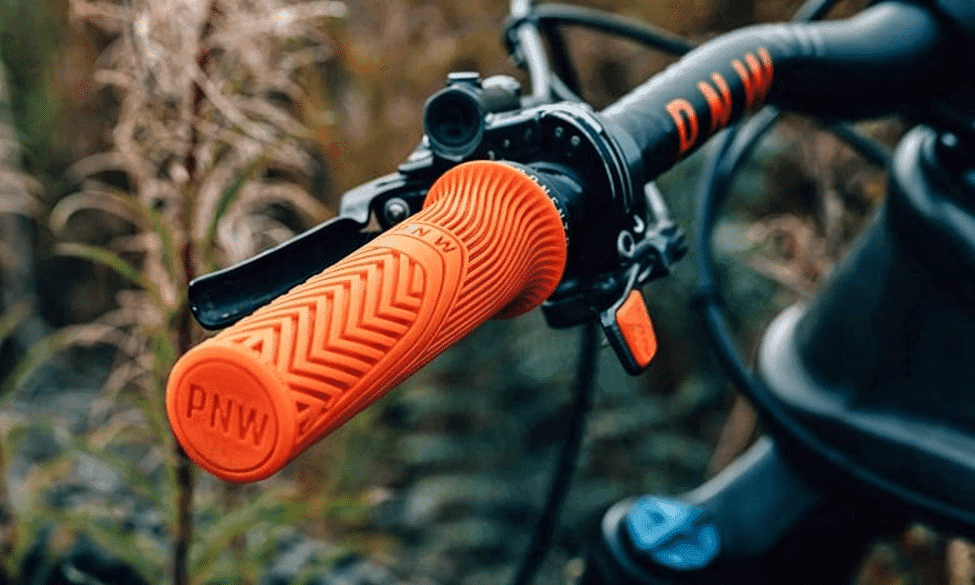
Bicycle handlebar grips need a material that is soft enough for comfort, grippy when wet, resistant to abrasion and UV, and safe in prolonged skin contact. TPE meets all four in a single moulded part.
In the sports equipment industry, material choice is crucial—not just for performance, but also for user safety and health. Substandard designs can cause discomfort, injury, and increased risks. A clear example is the bicycle, which serves both fitness and recreational purposes. Among its components, bicycle handlebar grips, made from TPEs, play a critical role in the rider’s control, comfort, and endurance. TPEs provide the necessary flexibility and durability for these grips, ensuring a safer and more comfortable experience for the rider.
What a handlebar grip material must do
The production of bicycle handlebar grips demands materials that are soft, durable, and weather-resistant. Thermoplastic Elastomers (TPEs) are an ideal solution, thanks to their tunable surface properties and comfortable feel. These materials ensure a secure grip while reducing hand fatigue, making long rides more manageable and safe.
Abrasion, skin contact and appearance
In addition to their softness and grip, Thermoplastic Elastomers (TPEs) provide excellent abrasion resistance, skin compatibility, and aesthetic flexibility. Their resistance to outdoor conditions enhances their use in various types of sports equipment, particularly in the production of bicycle handlebar grips, where performance and reliability are essential.
Tailoring the formulation
With the right formulation, Thermoplastic Elastomers (TPEs) empower manufacturers to deliver ergonomic, high-performance handlebar grips tailored to diverse rider needs. Their unique balance of comfort, durability, and safety sets a new standard in modern cycling gear.he evolution of safe and effective sports equipment.
Material choice and rider safety
In the sports equipment industry, selecting the right materials is crucial for both performance and user safety. For bicycle handlebar grips, the choice of material directly affects the rider’s comfort, control, and endurance. Thermoplastic Elastomers (TPEs) are an ideal solution due to their flexibility, durability, and weather resistance. TPEs provide a secure grip, reduce hand fatigue, and enhance overall comfort, making rides safer.
In addition to their ergonomic benefits, TPEs offer excellent abrasion resistance and skin compatibility. These qualities make them highly suitable for outdoor conditions. By utilizing TPEs, manufacturers can create high-performance grips that meet the diverse needs of riders. This ensures reliable, long-lasting performance and sets new standards in sports equipment.
FARRPRENE GRADES
Grades commonly specified for consumer goods applications
| GRADE | HARDNESS | TENSILE (MPa) | TYPICAL USE |
|---|---|---|---|
| IU250AInjection / Unfilled | 25 Shore A | 4 | Soft cushioning pads and tactile bumpers |
| IF500AInjection / Filled | 50 Shore A | 5.5 | Soft-touch overmoulds onto rigid housings |
| IF753AInjection / Filled | 75 Shore A | 7 | Firmer tool grips and protective housings |
Typical average values from a limited sample set; not a formal specification. Request the signed datasheet for current values.
ABOUT THE AUTHOR
Technical Content Lead
Writes the Farr Polychem technical library, covering thermoplastic elastomer chemistry, grade selection and processing for design and manufacturing engineers.
VIEW PROFILE →MORE INSIGHTS
View All Articles