Polymers for Electric Vehicles: Impact on the Automotive and Cable Industries
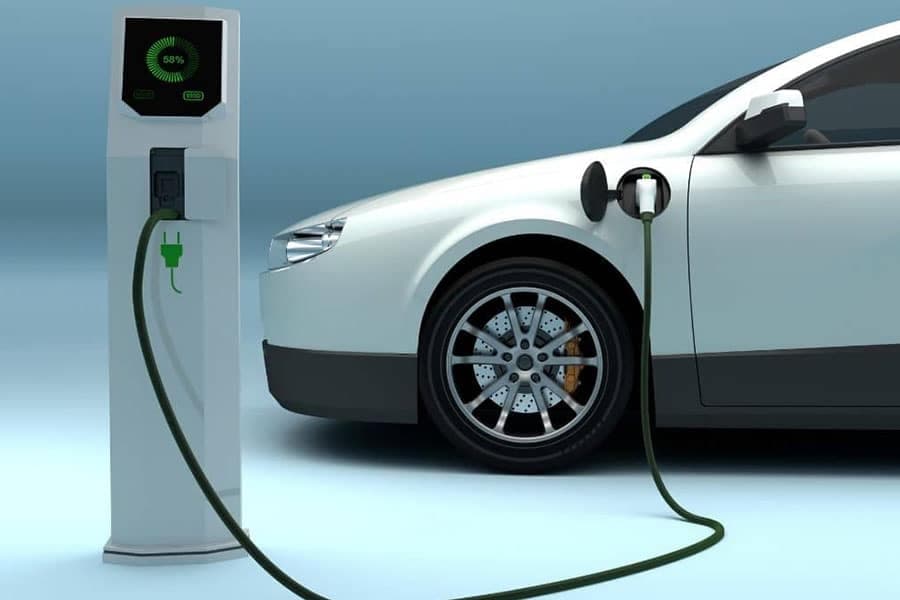
The growth of the electric vehicle fleet is reshaping cable compound demand, because EV wiring must survive higher voltages, higher temperatures and tighter safety requirements than conventional automotive cable.
Currently, the global count of electric cars exceeds 26 million, a significant figure that continues to rise, with 2021 witnessing a twofold increase in electric car sales compared to the previous year. This shift towards electric vehicles is part of a broader sustainability initiative that is set to profoundly impact the polymer business, a critical group of raw materials. Let’s explore how this evolution will redefine the future of the wire and cable industry and its essential compounds.
New demands on cable compounds
The emergence of electric vehicles necessitates a new era of wire and cable systems, requiring specially engineered polymer compounds for cable coatings. These compounds must demonstrate superior durability and longevity, while providing electrical insulation with reduced thickness. Furthermore, they need to maintain stability under varying atmospheric conditions, especially during charging, and exhibit resistance to flames and fire hazards. In response to these demands, TPEs, TPUs, silicone rubbers, and fluororubbers are set to undergo substantial modifications to meet the evolving needs of polymers for electric vehicles.
In essence, the rise of electric vehicles is poised to revolutionize the wire and cable industry, leading to a fundamental shift in the application of polymers for electric vehicles within the automotive sector. The industry is expected to embrace innovation and adapt to these changes, paving the way for a more sustainable and efficient future.
Where polymer development is heading
As the demand for electric vehicles continues to grow, the need for high-performance polymers will become increasingly critical. These polymers not only need to withstand high temperatures and electrical stress but also ensure safety and durability in various environmental conditions. The automotive industry is already investing heavily in the development of specialized polymer compounds, including halogen-free flame-retardant materials and environmentally friendly options.
These innovations align with the sustainability goals of electric vehicle manufacturers. With these advancements, the role of polymers in the automotive sector is expanding, helping to meet the rigorous demands of electric vehicle systems and contributing to a greener, more efficient future.
FARRPRENE GRADES
Grades commonly specified for automotive applications
| GRADE | HARDNESS | TENSILE (MPa) | TYPICAL USE |
|---|---|---|---|
| EF651AExtrusion / Filled | 65 Shore A | 7 | Door/window weatherstrip and glass-run profiles (extrusion) |
| EF655AExtrusion / Filled | 65 Shore A | 5 | Sealing and trim profiles (extrusion) |
| IF801AInjection / Filled | 80 Shore A | 10 | Firm pedal pads, grommets and load-bearing flexible parts |
Typical average values from a limited sample set; not a formal specification. Request the signed datasheet for current values.
TAGGED
MORE INSIGHTS
View All Articles