Thermoplastic Elastomer Meaning: Complete Definition, Properties & Applications
Thermoplastic elastomer meaning explained: a clear TPE definition, the main types, key properties, and where each one is used in real products.
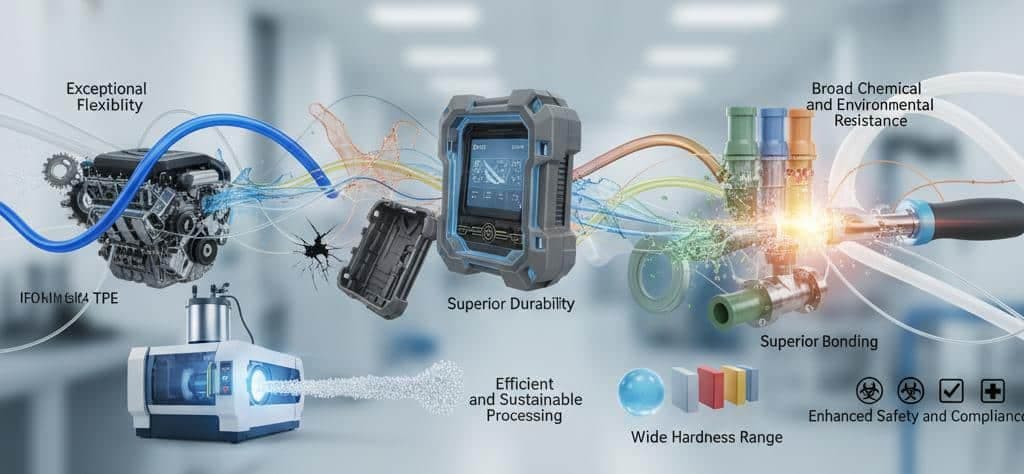
7 Performance Secrets of TPE Elastomers That Boost Industrial Product Quality
Seven TPE elastomer properties that lift product quality: elastic recovery, grip, weathering, chemical resistance, colourability and processing.
6 Things to Know About TPE Compound Before Choosing a Material
Six factors that decide the right TPE compound: performance targets, substrate compatibility, hardness, processing method, compliance and cost.
5 Key Facts About TPE Material (Thermoplastic Elastomer) You Must Know
Five things engineers should know about TPE material before specifying it: hardness range, elasticity, recyclability, processing and grade choice.
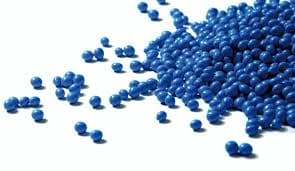
Farr Polychem Expands TPE Portfolio with Specialized Extrusion Grades: Introducing Farrprene EF650-652 Series
Farrprene EF650, EF651 and EF652: extrusion-optimised TPE grades at 65 Shore A hardness, engineered for profile, seal and tubing production.
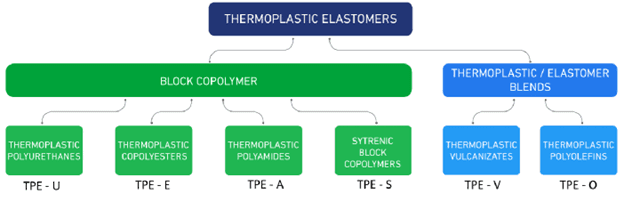
Introduction to the Main Groups of TPEs
The main TPE groups explained: block copolymers and elastomer blends, how each family behaves, and which applications and processes suit each one.
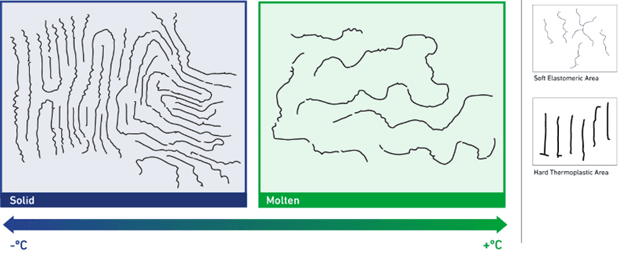
Introduction to the Molecular Microstructure of TPEs
How the two-phase microstructure of TPEs, hard and soft domains, creates rubber-like elasticity with thermoplastic processing and drives grade choice.
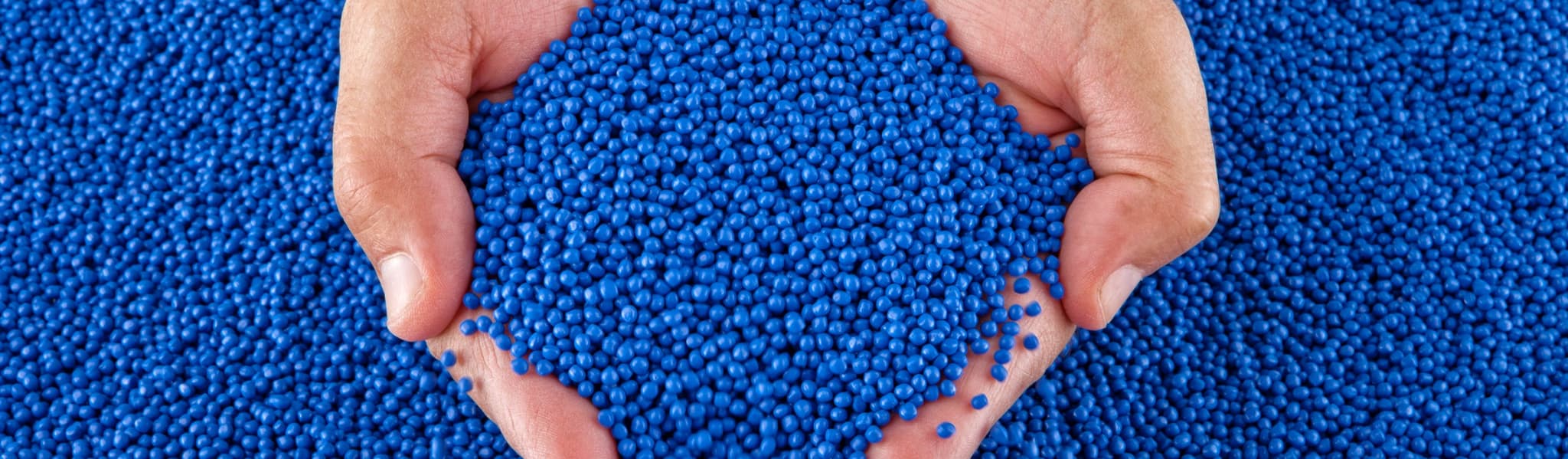
Thermoplastic elastomers (TPEs), tunable properties and lots of application
How TPE properties are tuned through formulation, and what that flexibility enables across automotive, electronics, medical and consumer parts.
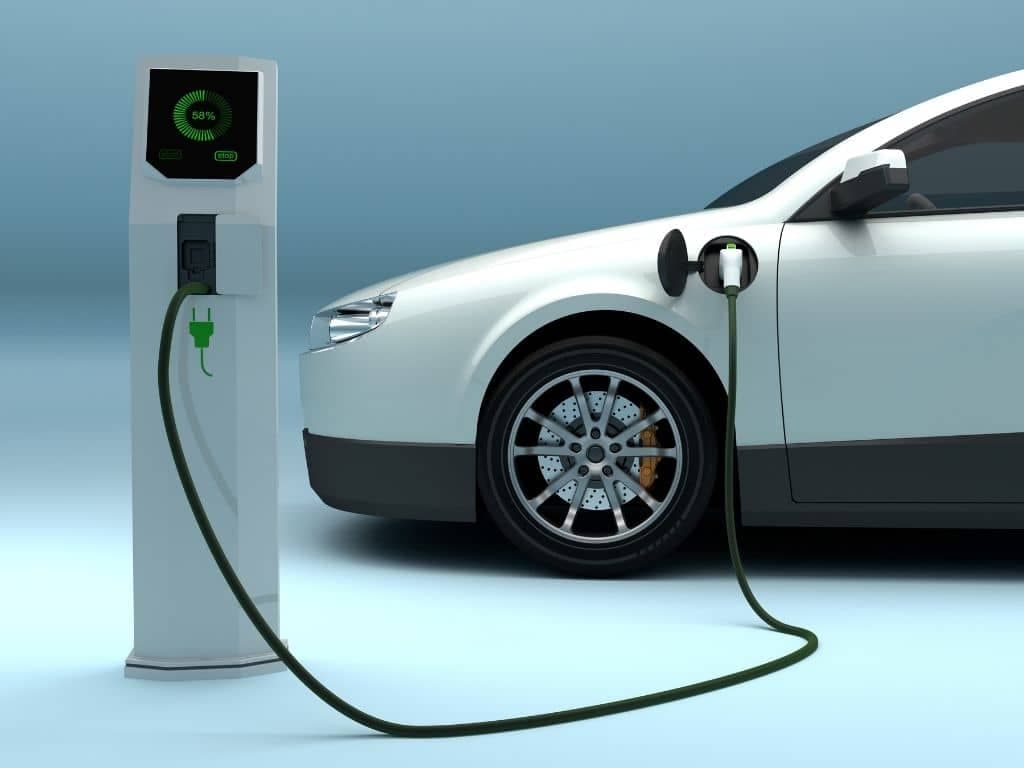
The Impact of Electric Vehicles on the Wire and Cable Industry and TPE’s Role in Automotive Applications
How electric vehicles are reshaping wire and cable materials, and where TPE, TPU, silicone and fluororubber compounds fit into EV cable design.
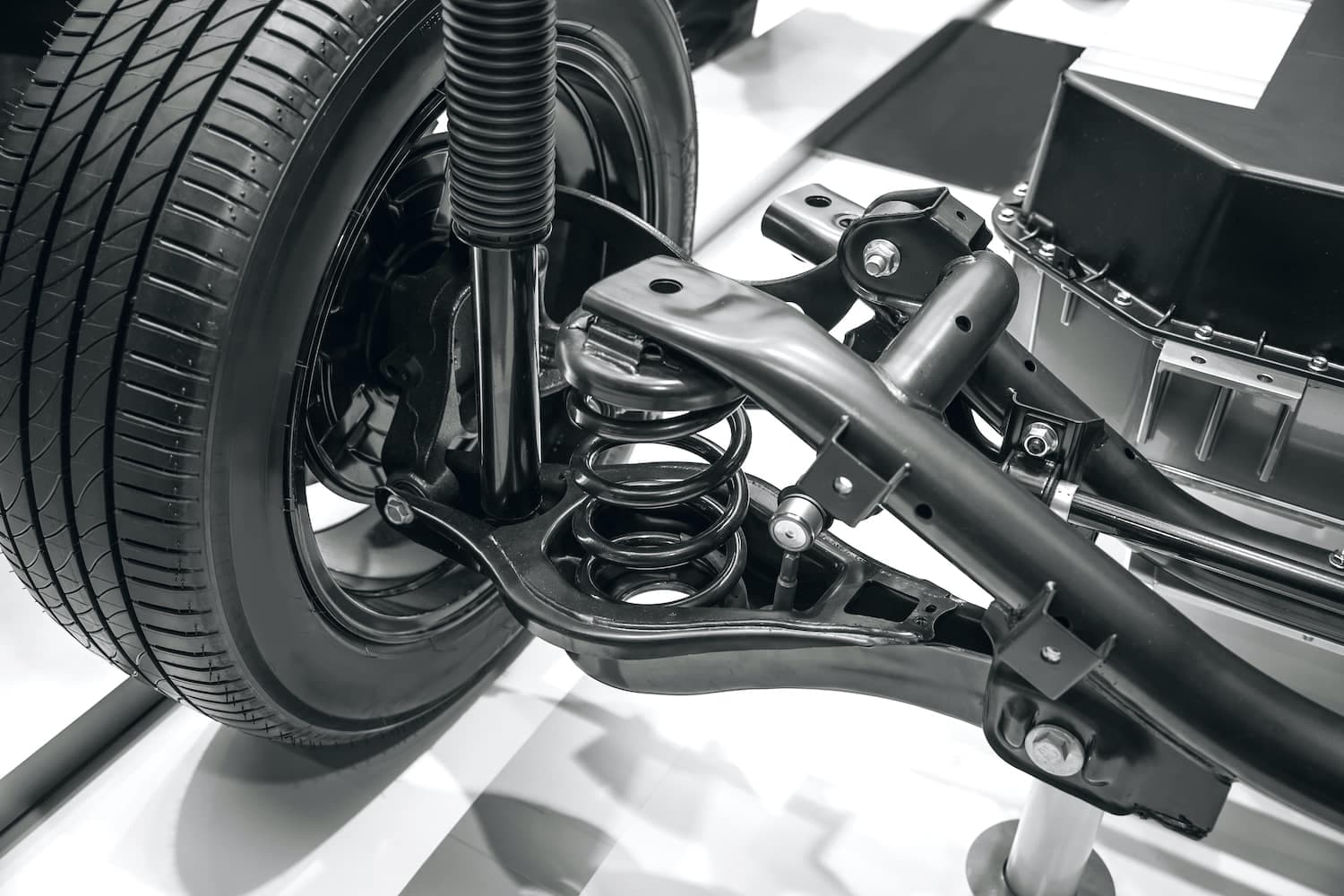
The Growing Role of Thermoplastic Elastomers (TPE) in Automotive Applications
How TPE and TPV use is expanding across the automotive industry, especially in the shift to electric vehicles, and which components suit each.
Farrprene TPE Series: Advanced Material Solutions for Demanding Applications
Farrprene is Farr Polychem's line of high-performance TPE-S compounds, engineered for injection and extrusion across a broad hardness range.
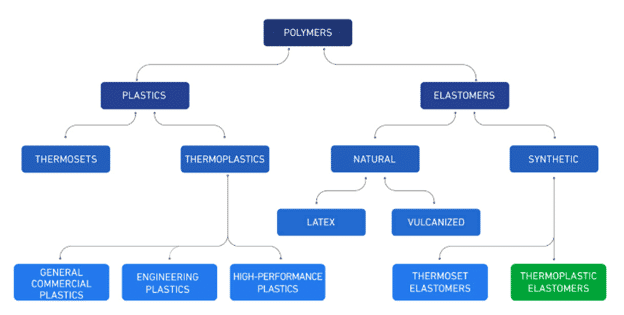
TPEs: Which Main Polymer Groups Include Them?
Which polymer groups include TPEs, how ASTM D1566 defines them, and how each family combines rubber-like behaviour with thermoplastic processing.
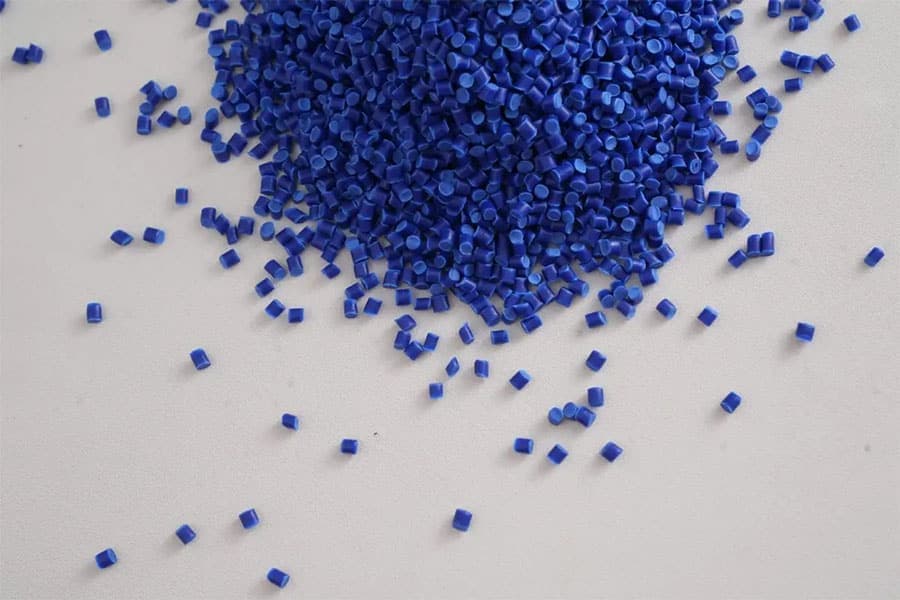
TPEs: What is the Main Component of TPEs?
What the main component of a TPE is: the base polymer that sets its behaviour, plus the oils, fillers and additives that tune the final compound.
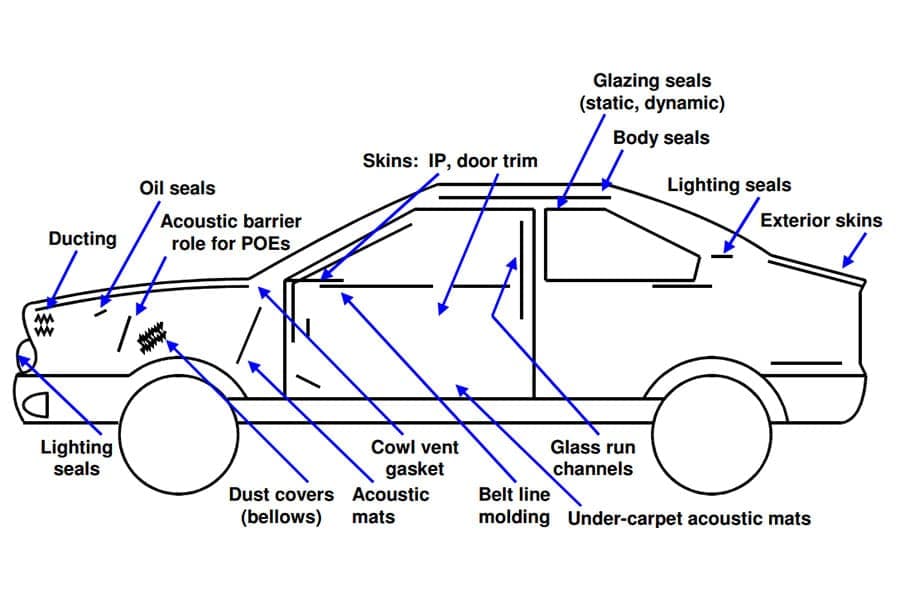
TPEs: The Growing Trend of Their Usage in the Automotive Industry
Why TPE use keeps growing in the automotive industry: versatility, cost efficiency, weight saving and environmental gains over cured rubber.
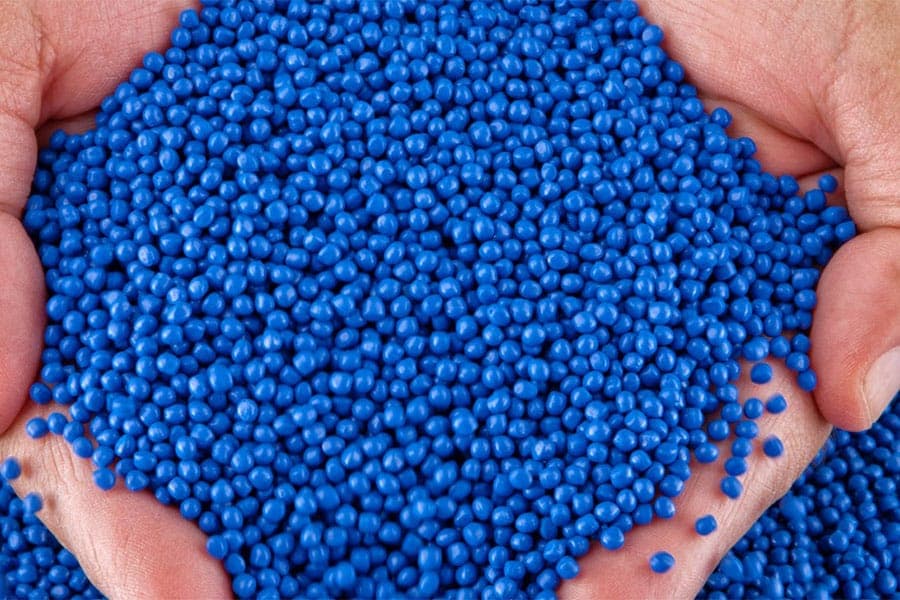
Thermoplastic Elastomers (TPEs): Versatility, Customizability, and Broad Applications
How TPE combines rubber-like flexibility with thermoplastic recyclability, and why that versatility suits automotive, medical and consumer parts.