The Growing Role of Thermoplastic Elastomers (TPE) in Automotive Applications
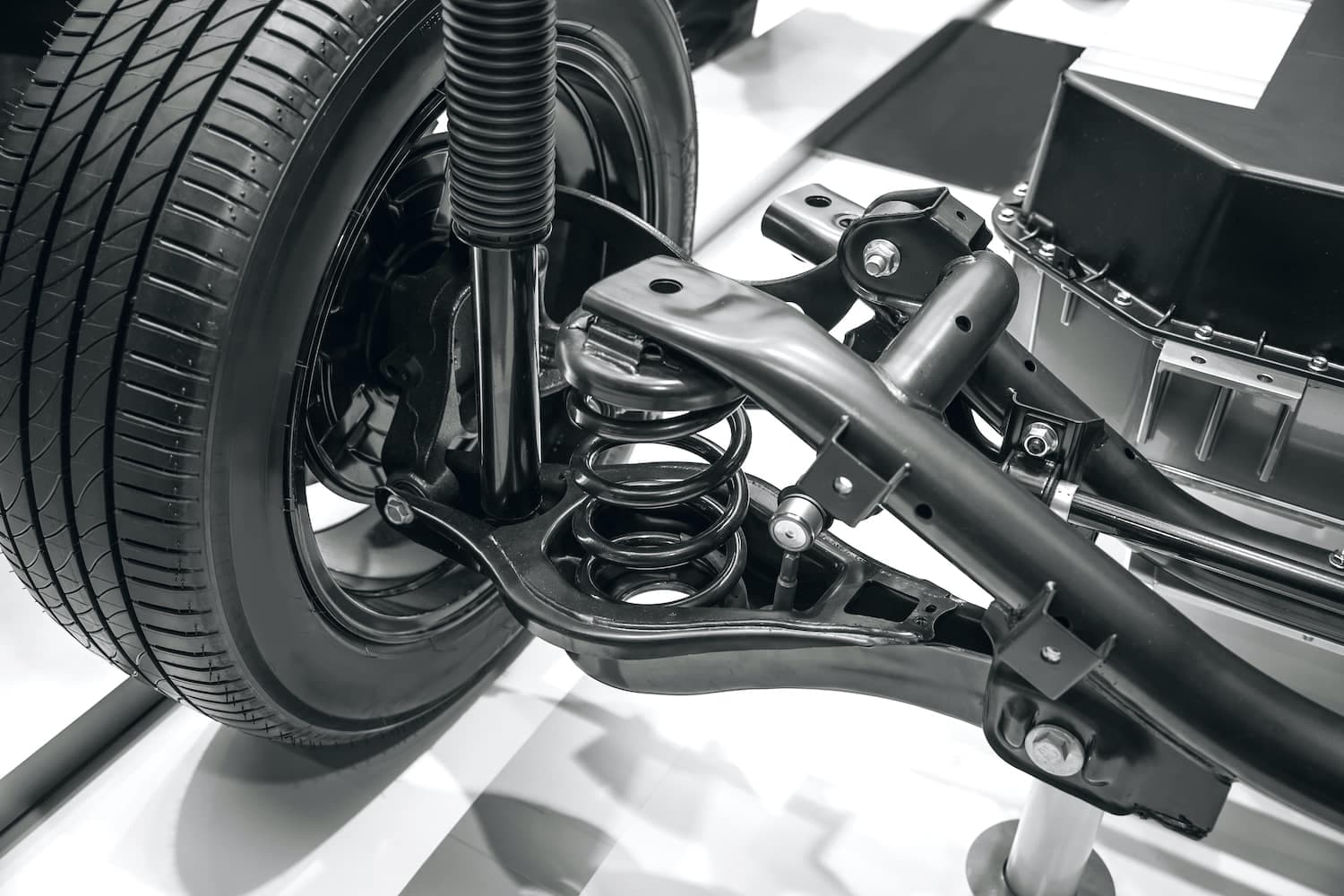
TPE and TPV have progressively displaced cured rubber in vehicles because they process faster, weigh less and can be recycled, while newer heat and oil resistant grades close the remaining performance gap.
At first glance, envisioning a car without any parts made of cured elastomers or Thermoset Rubbers (TSR) might seem like a far-fetched fantasy. However, recent advancements in raw materials and production technologies, particularly the development of Thermoplastic Elastomers (TPE), have brought us closer to the realization of such a concept. Nevertheless, this idea is not without its challenges.
What cured elastomers still do in a car
Cured elastomers play a crucial role in various car parts, including fluid and oil transmission hoses, power transmission belts, gaskets, seals, as well as vibration and force absorbers. On average, each car incorporates approximately 500 to 700 parts, weighing around 22 kg in total, made from different types of TSRs.
The arrival of TPE and TPV
Around a decade ago, the introduction of Thermoplastic Elastomers (TPE) and TPV (Thermoplastic Vulcanized) technologies marked a significant turning point. These polymer families possess processability akin to thermoplastics while maintaining physical and mechanical properties similar to TSRs.
Consequently, Thermoplastic Elastomers (TPE) emerged as the primary alternatives to traditional elastomers in automotive applications. In modern vehicles, TPE and TPVs have already replaced elastomers in various applications, including seals and gaskets, floors and carpets, as well as dust collectors and covers. However, challenges arise in replacing TSRs in applications requiring resistance to oil or high temperatures.
Electric vehicles and future specifications
Nevertheless, the rising prominence of electric vehicles in the near future will dictate the specifications of raw materials used in cars. Special elastomers like ECO and ACM may become unnecessary, paving the way for a smoother transition to Thermoplastic Elastomers (TPE) and TPV.
Moreover, significant progress has already been made in the development of heat and oil-resistant TPE and TPV species, with certain grommets and ducts under the car hood now being produced using these materials. Additionally, stringent environmental laws, particularly in the green continent of Europe, are progressively limiting the usage of TSRs, further driving automotive engineers to explore alternative materials.
Where the transition stands
In conclusion, the advancement of Thermoplastic Elastomers (TPE) and TPV technologies, the shift towards electric vehicles, and the impact of environmental regulations will gradually reduce the reliance on TSRs and increase the prevalence of TPE and TPVs in future vehicle production.
Among the different families of TPE and TPV suitable for normal applications, the Olefinic and Styrenic groups stand out. Furthermore, in the realm of engineering TPE and TPV resistant to heat and oil, the families of TPU and Polyester deserve mention.
FARRPRENE GRADES
Grades commonly specified for automotive applications
| GRADE | HARDNESS | TENSILE (MPa) | TYPICAL USE |
|---|---|---|---|
| EF651AExtrusion / Filled | 65 Shore A | 7 | Door/window weatherstrip and glass-run profiles (extrusion) |
| EF655AExtrusion / Filled | 65 Shore A | 5 | Sealing and trim profiles (extrusion) |
| IF801AInjection / Filled | 80 Shore A | 10 | Firm pedal pads, grommets and load-bearing flexible parts |
Typical average values from a limited sample set; not a formal specification. Request the signed datasheet for current values.
ABOUT THE AUTHOR
Technical Content Lead
Writes the Farr Polychem technical library, covering thermoplastic elastomer chemistry, grade selection and processing for design and manufacturing engineers.
VIEW PROFILE →MORE INSIGHTS
View All Articles