The International Institute of Synthetic Rubber Producers (IISRP) defines Thermoplastic Elastomers (TPEs) as follows:
TPEs are polymers, compounds, or blends that exhibit thermoplastic behavior at their melting point, allowing for conventional processing methods to fabricate various parts. At operational temperatures, they show characteristics similar to cured elastomers, without requiring a curing process. These materials are recyclable and facilitate reprocessing.
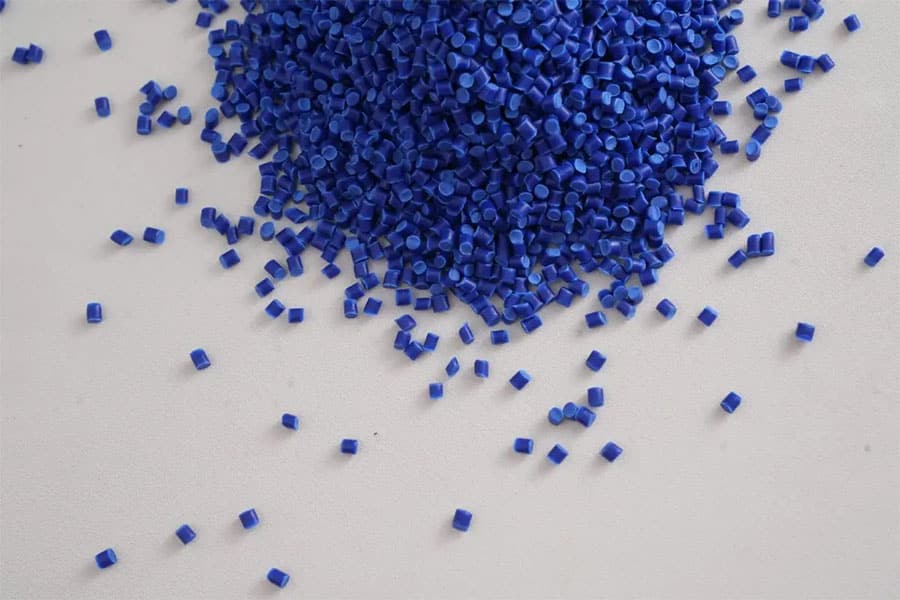
While the robust mechanical strength and resistance of cured rubber components stem from chemical cross-linking (reversible only through incineration or specific chemical reactions), Thermoplastic Elastomers (TPEs) attain their attributes via specific microstructures including hard and soft segments.
Typical TPE Formulation Components:
- Firm thermoplastic polymers (e.g., polypropylene (PP), polyethylene (PE), polyamide (PA), PVC)
- Soft rubber phase (e.g., POE, EPDM, SEBS, SBS, NBR)
- Plasticizers and oils
- Fillers
- Pigments
- Additives for specific properties (flame resistance, UV resilience, antistatic properties, heat and electricity conductivity, laser marking, etc.)
- Compatibilizers
- Curing agents (for TPVs only)
These components are mixed based on the desired qualities of the ultimate product, using compounding extruders (typically twin-screw extruders).
Among the various TPE groups, the most economical ones include Polyolefin-based TPEs and styrene rubbers like SBS.
Proper selection of TPE components enables the creation of a wide spectrum of mechanical, physical, thermal, and other properties in the final compound. For example:
- Engineering TPEs (Polyester or PA-based) can have service temperatures up to 250°C
- TPEs containing SBS can perform at temperatures as low as -50°C
With the ability to tailor various properties, Thermoplastic Elastomers (TPEs) are poised for diverse applications in the foreseeable future.
In addition to the primary components, TPEs also incorporate various additives to enhance their performance for specific applications. These additives can include plasticizers, oils, fillers, pigments, and stabilizers that improve properties such as UV resistance, flame retardancy, or antistatic capabilities. By adjusting these additives, manufacturers can tailor TPEs to meet the exact requirements of different applications, such as creating materials that withstand harsh environmental conditions or provide enhanced durability.
For example, when producing TPEs for automotive parts, additives may be included to improve their resistance to heat and oil. This ensures the material’s longevity and reliability in demanding environments. The flexibility in formulation allows manufacturers to create TPEs that can meet a wide variety of needs across industries like consumer goods, medical devices, and more, making them an essential material in modern manufacturing.