In automotive design, the components used within the vehicle’s cabin must meet not only technical and functional standards but also align with aesthetic expectations to enhance the overall driving experience. Among these components, car pedals play a vital role in user comfort and safety. The end section of the pedal, which comes into direct contact with the driver’s foot, is a critical element. To meet the rising demands for performance, durability, and comfort, Using TPE for Car Pedal Production has become an increasingly popular material choice.
TPE for car pedal production combines the elasticity of rubber with the processability and mechanical strength of plastics. This combination provides the versatility needed for various automotive applications, particularly in components such as car pedals. The use of TPE offers a range of benefits, making it an ideal material for this application.
One of the most significant advantages of TPE is its exceptional adhesion to the primary pedal structure. This feature ensures that the TPE material remains firmly attached even under significant pressure, which is essential for the longevity and performance of the pedal. Additionally, TPEs offer adjustable softness, which allows designers to tailor the comfort level of the pedal to the driver’s preference, without compromising on its functionality. This adaptability is coupled with strong abrasion resistance, which enhances the pedal’s durability and ensures it performs well over time, even under continuous use.
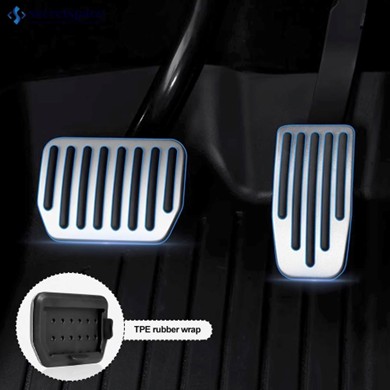
In addition to its functional benefits, TPE also offers notable aesthetic advantages. The material is highly customizable in terms of color, allowing automotive designers to match the pedal components with the overall interior design of the vehicle. Furthermore, TPEs are free from volatile organic compounds (VOCs), which can adversely affect air quality and create unpleasant odors in the cabin. As a result, TPE helps maintain a pleasant and healthy in-cabin environment, contributing to an overall positive user experience.
However, it is essential to carefully select the appropriate grade of TPE. Different TPE grades have varying properties, such as hardness, abrasion resistance, and flexibility, which must be taken into account to ensure optimal performance and longevity. Therefore, automotive designers and manufacturers should work closely with material suppliers to determine the best TPE formulation for each specific application.
Key Considerations:
- TPE for car pedal production combines the elasticity of rubber with the processability of plastics, offering a versatile material for automotive applications.
- The exceptional adhesion of TPE ensures a secure bond with the main pedal structure, even under significant pressure.
- Adjustable softness and superior abrasion resistance contribute to long-lasting performance and comfort.
- TPEs are customizable in terms of color and free from VOCs, promoting a pleasant and safe in-cabin environment.
- Choosing the right TPE grade for specific applications is crucial for ensuring optimal performance and durability.
The use of TPE for car pedal production allows automotive manufacturers to design components that strike the ideal balance between performance, durability, and comfort. As the demand for high-quality, eco-friendly materials in the automotive industry continues to grow, TPE will undoubtedly remain a critical material choice for car pedal production and other automotive components.