In the automotive industry, preventing water penetration is not just a matter of comfort—it is critical for protecting the car’s structure, preserving its interior, and ensuring long-term performance. When water infiltrates a car’s trunk or cabin—through door seams, windows, or sunroofs—it signals potential issues such as rust, mold, or system failures. To mitigate this, weather strips are strategically installed around doors and windows. These strips act as resilient barriers, and their quality directly affects the vehicle’s durability. Among the best materials for producing such components are Thermoplastic Elastomers (TPEs for gaskets).
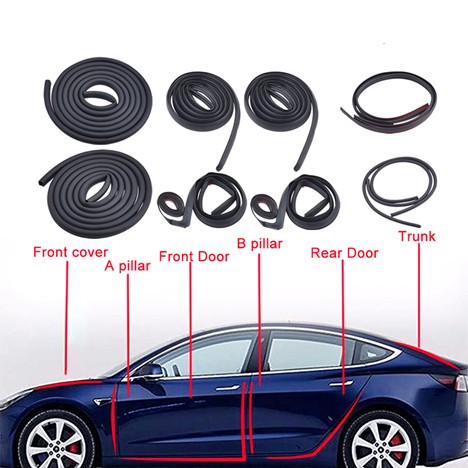
Why TPEs for Gaskets Are the Material of Choice
TPEs for gaskets are highly valued due to their unique combination of elastic behavior, thermoplastic processability, and resistance to environmental factors. These elastomers are used to manufacture various automotive sealing components, including weather strips, gaskets, and tapes.
The primary role of TPE-based weather strips is to block water, but their function goes far beyond that. They also help:
- Reduce wind noise and vibrations,
- Isolate the cabin from temperature fluctuations,
- Maintain cabin pressure balance,
- Enhance vehicle aesthetics.
Such comprehensive performance can only be achieved if the correct TPE grade is selected and applied appropriately.
Key Technical Parameters in Selecting TPEs for Gaskets
Although many manufacturers focus predominantly on the hardness of TPEs for gaskets, this single attribute cannot guarantee long-term reliability. To ensure optimal performance, the following criteria must also be evaluated:
- UV, Heat, and Weathering Resistance: Prolonged exposure to sunlight and heat can degrade many polymers. TPEs with excellent weatherability help preserve physical integrity and color over time.
- Color Stability: This ensures that the weather strip retains its original appearance, particularly important in visible sections of the vehicle.
- Tear Resistance: A high tear strength increases durability, especially in regions subject to frequent friction or stretching.
- Crush Resistance: This allows the weather strip to recover after being compressed, such as when doors are repeatedly opened and closed.
- Compression Set Performance: A low compression set enables the gasket to maintain its shape and sealing ability under long-term stress.
- Processability and Process Stability: Efficient manufacturing processes require materials that behave consistently during extrusion, molding, or co-extrusion, reducing waste and ensuring repeatable quality.
The Broader Impact of Using TPEs in Automotive Weather Strips
By considering all these technical aspects, manufacturers can develop weather strips that not only prevent water penetration but also enhance comfort, reduce maintenance needs, and support sustainable vehicle design. Since TPEs for gaskets are recyclable and can be reprocessed without major property loss, they also align with environmental and circular economy goals in the automotive sector.
Moreover, their compatibility with co-extrusion techniques makes them suitable for producing multi-material profiles, where TPE is layered over rigid plastics like PP or ABS to provide functional and aesthetic performance in a single component.
Conclusion
TPEs for gaskets offer a versatile and high-performance solution for modern automotive weather sealing needs. Their role is not limited to blocking water—they also contribute to acoustic insulation, thermal isolation, and long-term vehicle durability. Selecting the right TPE grade based on a full spectrum of performance requirements is essential for optimizing product quality and user satisfaction. By prioritizing these technical factors, manufacturers can ensure that their weather strips are not only functional but also reliable, durable, and environmentally responsible.