Water is the foundation of life, and its scarcity makes the efficient management and purification of freshwater a critical challenge. While only 3% of the Earth’s water is fresh, an even smaller portion is accessible and suitable for consumption. In this context, material selection for water-related applications is crucial. One of the most promising materials in this field is TPE material for Water system components, particularly in water purifiers and coolers.
Plastics and Polymers in Water Preservation
Plastics have long contributed to water management and conservation. From geomembranes that prevent water loss to pipelines that ensure safe water transmission, polymers are indispensable. In more sophisticated applications, they are also used in filtration membranes and structural components of purifiers and cooling units. Within this spectrum, thermoplastic elastomers (TPEs) offer a unique combination of mechanical reliability and water compatibility.
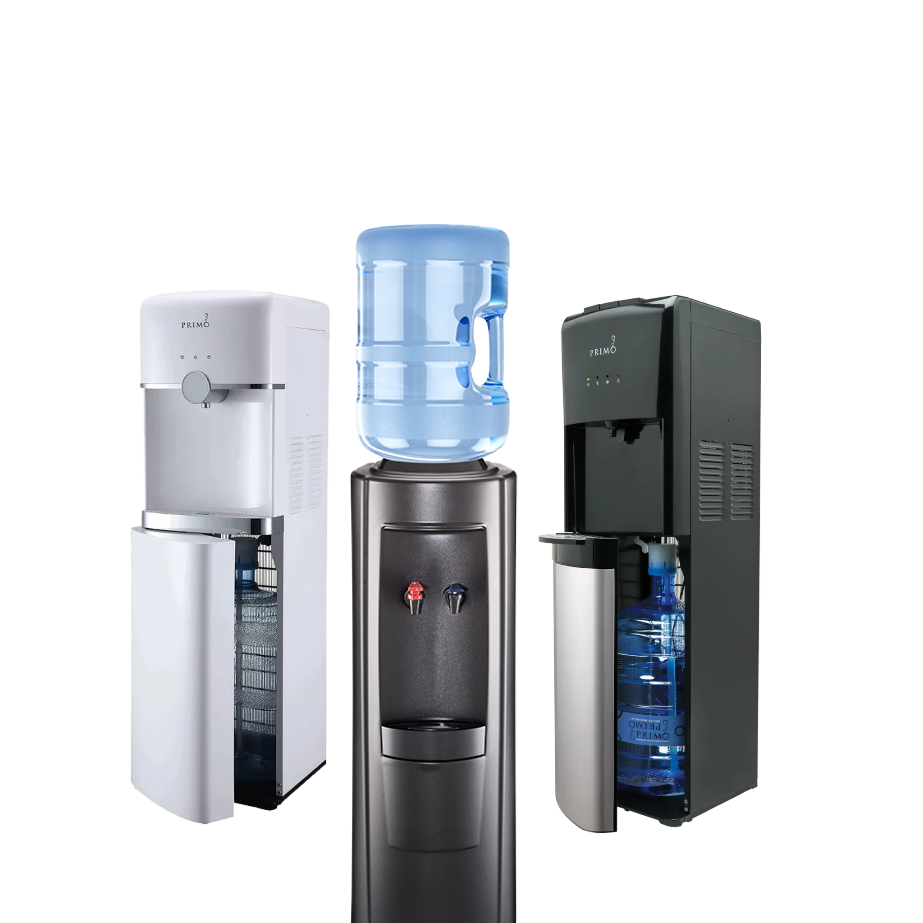
Advantages of Using TPE for Water Purifiers and Coolers
TPEs are especially valued for their adaptability. Their mechanical properties can be engineered to meet specific performance needs, such as flexibility, hardness, and thermal resistance. More importantly, TPE material for Water systems is chemically stable and non-reactive when in contact with water, even during prolonged use. This ensures that TPE material does not release harmful substances, preserving the quality and safety of drinking water.
Additionally, TPEs are easy to process and mold into complex geometries, making them ideal for manufacturing components with tight design tolerances or ergonomic shapes. This is particularly relevant in water coolers and purifiers, where compact design and efficient assembly are essential.
Why TPE for Water Applications Is the Right Choice
The widespread adoption of Water purification components is no coincidence. This material offers a compelling balance between safety, performance, and manufacturing efficiency. It supports sustainable product development, resists degradation over time, and maintains the integrity of purified water. For manufacturers aiming to innovate in the water treatment industry, TPE presents a forward-thinking, reliable solution.
Conclusion
Given the increasing global demand for clean water and environmentally responsible technologies, materials like TPE material for Water play a vital role in shaping the future of water purification and cooling systems. Their safety, flexibility, and durability make them a top choice for engineers and designers alike. As clean water becomes ever more precious, TPE material stands as a trusted material in preserving this invaluable resource.