Importance of Material Selection in Modern Toothbrush Design (TPE Toothbrush)
Oral hygiene is a critical component of overall health, and the toothbrush plays a central role in maintaining it. With rising consumer expectations, toothbrush manufacturers are now focusing not only on functionality but also on comfort, durability, and material safety. Among various options, TPE for toothbrush production has emerged as a preferred solution for achieving these objectives.
Thermoplastic Elastomers (TPEs) are known for their flexibility, softness, and processability—making them an excellent material for ergonomic toothbrush components, especially the grip zones that come into contact with the hand. The use of TPE significantly enhances the user experience by providing a soft, slip-resistant surface that is both comfortable and reliable.
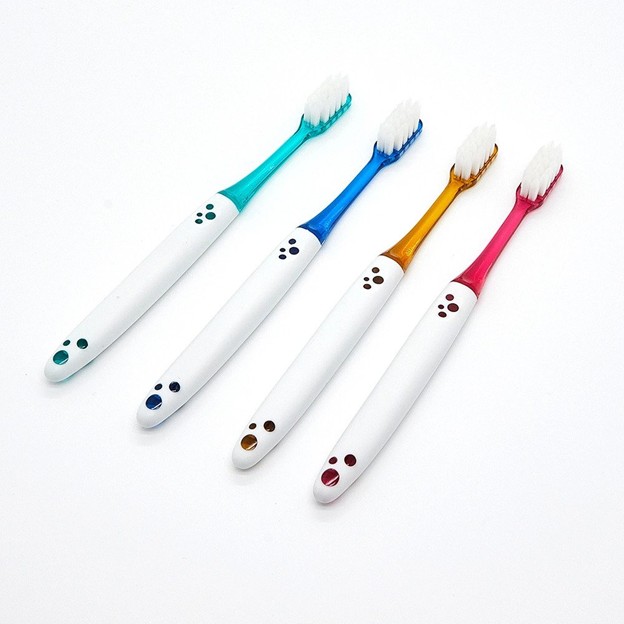
Key Technical Properties of Suitable TPE Grades
It is important to note that not all TPE grades are suitable for toothbrush manufacturing. Ideal TPE for toothbrush applications require a Shore A hardness range of 30 to 70, often referred to as “Soft Touch.” This range provides a balance between softness and structural support. In addition, a proper coefficient of friction is necessary to prevent slippage during brushing without creating excessive stickiness.
Other essential properties include thermal stability, long-term performance consistency, colorability, and strong adhesion to the base polymers used in toothbrush bodies—commonly Polypropylene (PP) or Acrylonitrile Butadiene Styrene (ABS). Moreover, these TPEs must comply with safety standards for prolonged skin contact and should not release harmful substances under normal use.
Functional Advantages of TPE in Toothbrush Manufacturing
Incorporating TPE for toothbrush production not only improves tactile comfort but also allows advanced product designs through overmolding or multi-shot injection. These manufacturing techniques combine rigid plastic frames with soft TPE overlays, resulting in a single, integrated product that is both visually appealing and highly functional.
Additionally, TPEs offer excellent resistance to moisture and wear, which is essential in wet environments like bathrooms. Their ability to accept custom colors and textures makes them versatile for aesthetic differentiation across various brands and models.
Final Considerations on Safety and User Experience
A successful TPE toothbrush must ensure both comfort and safety. Therefore, the selected TPE grade should be tested and approved for biocompatibility, ensuring it poses no risk of skin irritation or allergic reactions. By meeting these criteria, TPEs can significantly contribute to the development of high-quality, reliable, and consumer-friendly toothbrushes.
In conclusion, TPE for toothbrush applications represent a modern approach to oral care product design. By leveraging the unique benefits of TPE, manufacturers can deliver innovative and effective solutions that enhance user satisfaction while maintaining strict safety standards.