TPE Automotive Sealing Strips are among the most critical components in modern vehicles, ensuring durability, comfort, and safety. These sealing strips are installed in multiple areas of a car body, including doors, trunks, hoods, and other sections where reliable protection against water, dust, and air leakage is required. Traditionally, materials such as EPDM rubber were used for this purpose. However, with the advancement of polymer technology, thermoplastic elastomers (TPEs) have emerged as the preferred option due to their superior performance characteristics, design flexibility, and ease of processing.
The Evolution from EPDM to TPE in Sealing Strips
For decades, EPDM was the dominant material for sealing applications in the automotive sector, thanks to its weather resistance and elasticity. Yet, the growing demand for lightweight materials, recyclable solutions, and enhanced manufacturing efficiency has led to a gradual shift toward Thermoplastic elastomer sealing strips. TPEs offer a balance between the elasticity of rubber and the processability of plastics, making them ideal for high-speed automotive production lines. This evolution reflects the industry’s focus on sustainability, cost efficiency, and consistent quality.
Key Properties of TPE Automotive Sealing Strips
TPE Automotive Sealing Strips are specifically engineered to meet the demanding conditions of automotive environments. Their key properties include:
- UV Resistance: TPE grades designed for sealing strips must resist ultraviolet radiation to maintain long-term performance without cracking or discoloration.
- Compression Set Resistance: To provide effective sealing, the strips must return to their original shape after compression, ensuring minimal permanent deformation.
- Hardness Balance: The material must strike a precise balance between softness for sealing and rigidity for durability.
- Processability: TPEs allow for high-speed extrusion or molding, offering smooth, glossy surfaces suitable for visible automotive parts.
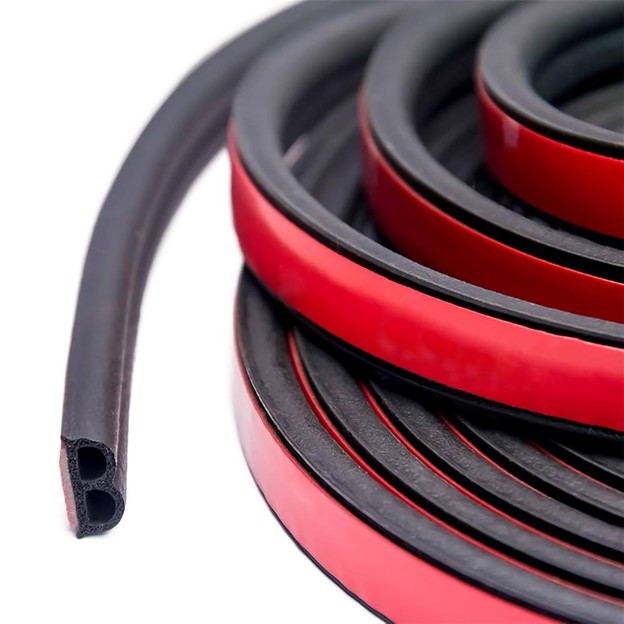
Application Areas of Thermoplastic elastomer sealing strips
The use of Thermoplastic elastomer sealing strips extends across multiple areas of a vehicle. Major applications include:
- Door Seals – Preventing water ingress, wind noise, and vibration while ensuring passenger comfort.
- Trunk Seals – Protecting the luggage compartment against dust and water.
- Hood Seals – Ensuring engine bay protection and contributing to aerodynamic efficiency.
- Window Seals – Providing insulation, reducing rattling, and supporting aesthetic design.
- Antenna Covers and Exterior Components – Requiring specialized TPE grades with excellent adhesion to base polymers for long-term durability.
Each of these applications demands precise material properties tailored to functionality, safety, and aesthetic requirements.
Advantages of TPE Automotive Sealing Strips over Traditional Materials
Compared to conventional elastomers, TPE Automotive Sealing Strips provide several advantages:
- Lightweight and Recyclable: Contributing to automotive sustainability and reduced environmental footprint.
- Superior Processing Efficiency: Allowing easier molding, extrusion, and co-extrusion with other plastics.
- Enhanced Design Flexibility: Enabling integration with complex geometries and modern automotive aesthetics.
- Durability and Performance: Offering consistent resistance to weather, heat, and mechanical stress.
Bonding and Adhesion Capabilities
A distinctive feature of TPE Automotive Sealing Strips is their ability to bond effectively with base polymers used in car components. For instance, when applied in antenna covers or exterior trims, these TPE grades ensure strong adhesion, preventing detachment under mechanical stress or environmental exposure. This characteristic enhances long-term performance and reliability, which is vital for automotive safety and design integrity.
The Role of Aesthetics in Sealing Strips
In addition to functionality, automotive sealing strips must also contribute to the vehicle’s overall aesthetics. Modern TPE formulations enable the production of sealing strips with glossy, smooth surfaces that match the high standards of visible automotive parts. This ensures that sealing strips not only protect but also blend seamlessly into the design of the car.
Conclusion
TPE Automotive Sealing Strips represent a transformative advancement in the automotive industry. They combine the resilience of elastomers with the versatility of thermoplastics, delivering superior performance, recyclability, and cost-effectiveness. From door and trunk seals to antenna covers, these materials provide the essential balance of protection, durability, and design required for modern vehicles. As automotive engineering continues to move toward lightweight, sustainable solutions, TPE Automotive Sealing Strips will remain a cornerstone material in sealing technology.