TPEs play a significant role in the decision-making process when purchasing a car, as customers increasingly consider factors such as:
- Technical performance
- Aesthetics
- Safety features
- Cabin comfort
- Interior design
In recent years, cabin comfort and interior design features have become increasingly important factors in the decision-making process.
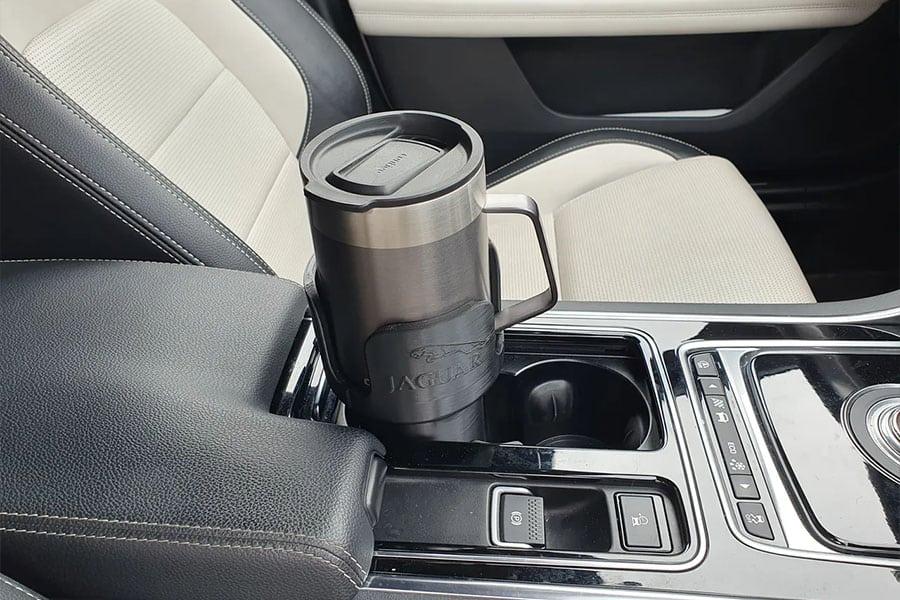
Well-designed storage spaces within the car’s interior, particularly on the dashboard, significantly enhance overall comfort and user experience while driving. These spaces are crucial for storing various essentials such as:
- Cups
- Mobile phones
- Eyeglasses
- Sunglasses
Selecting the right materials for these storage compartments is essential. For items like cell phone holders or cup holders, the ideal material should possess:
- Anti-slip properties
- Availability in a variety of colors
- Resistance to component migration to the surface
- Stability in the face of sunlight and heat
TPEs emerge as an ideal choice for manufacturing these components. TPEs offer the flexibility to customize properties such as:
- Color
- Softness
- Slip resistance
- Heat resistance
- UV radiation resistance
Consequently, Thermoplastic Elastomers stand out as the preferred raw material for car interior decoration, meeting diverse needs in both functionality and aesthetics.
TPEs not only enhance the aesthetics and functionality of car interiors but also provide exceptional durability. Their resistance to wear, UV radiation, and heat ensures that components like cup holders and storage spaces maintain their quality over time, making TPEs ideal for automotive applications exposed to varying environmental conditions.
Moreover, Thermoplastic Elastomers are highly versatile, allowing for customization in terms of color, texture, and softness. This makes them ideal for creating components that not only perform well but also match the aesthetic preferences of car owners, contributing to a more comfortable and visually pleasing interior environment.
In addition, Thermoplastic Elastomers offer excellent moldability, enabling manufacturers to produce intricate designs and precise shapes for various automotive components. This flexibility ensures that TPEs can be used to create unique and ergonomic features, further enhancing the functionality and user experience of the vehicle’s interior. By combining aesthetic versatility with practical benefits, TPEs play a crucial role in elevating the overall design and comfort of modern car interiors.