Reducing food waste is one of today’s biggest environmental and social challenges. Every year, millions of tons of food are lost because of improper packaging or storage. One effective way to extend the freshness and shelf life of food products is by using smart food containers made with advanced, sustainable materials. Among the best material choices for this purpose is TPE for Smart Food Containers.
Thermoplastic elastomers (TPEs) combine the elasticity of rubber with the processability of plastics, offering a perfect balance between flexibility, durability, and safety. This makes them ideal for use in modern containers equipped with smart features like freshness sensors, temperature monitoring, or gas detection systems.
Why Use TPE for Smart Food Containers?
TPE materials stand out because they are both functional and environmentally responsible. Their recyclability, energy-efficient processing, and potential to be made from recycled or bio-based feedstocks align perfectly with the goals of sustainable and circular production.
Key advantages include:
• Excellent sealing properties for leak-proof lids and closures
• Comfortable, soft-touch feel for ergonomic handles and grips
• Slip-resistant bases that improve user safety and product stability
• Long-term flexibility even after repeated use or temperature changes
Whether used in flexible seals, gaskets, or overmolded components, TPE for Smart Food Containers ensures durability while maintaining a premium look and feel.
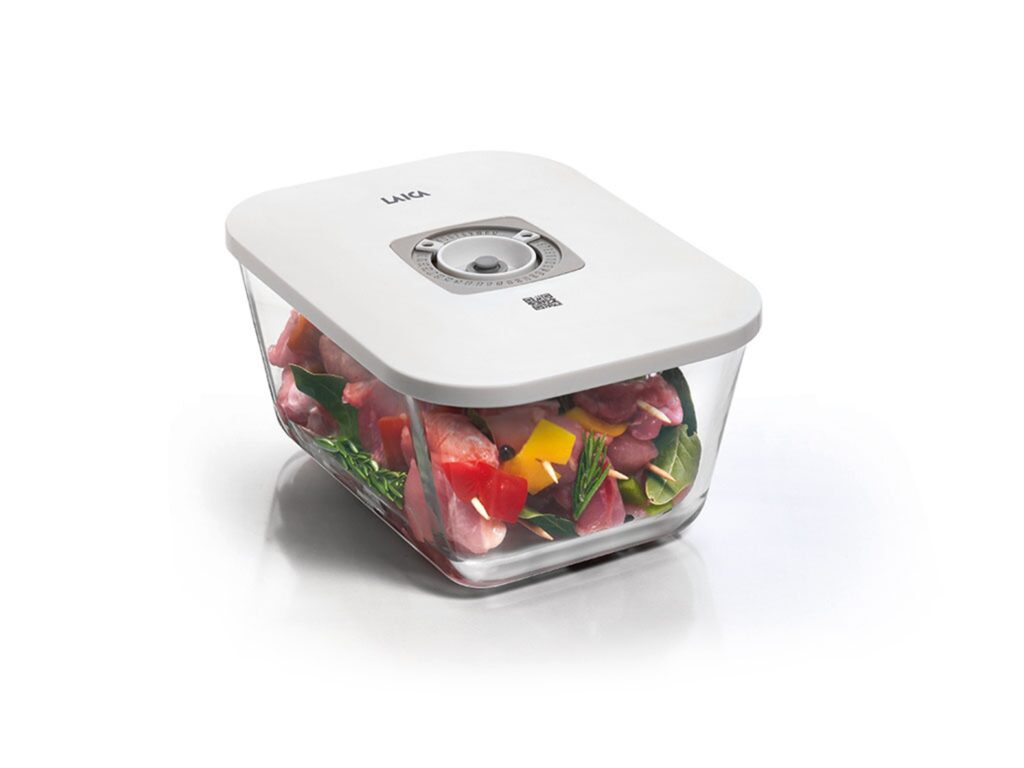
Performance and Processing Benefits
From a manufacturing standpoint, TPEs offer several processing advantages that make them highly efficient for large-scale production. They can be injection molded, extruded, or overmolded onto rigid plastics like PP or ABS — all without secondary adhesives. This results in faster production cycles, lower material waste, and easier recyclability at the end of the product’s life.
In addition, TPEs show excellent resistance to oils, fats, and detergents, making them ideal for everyday use in food environments. Their thermal stability allows them to perform well across a wide temperature range, from freezer conditions to near-boiling water.
Compatibility with Smart Technologies
As smart packaging evolves, sensors and digital components are increasingly being integrated into containers. The material chosen must therefore support precise functionality without interference. TPEs are particularly suitable for these applications due to their customizable electrical and mechanical properties. Specialized conductive or transparent TPE grades can be used to create parts that integrate seamlessly with electronic sensors or NFC modules.
This compatibility makes TPE for Smart Food Containers a future-ready choice for companies developing connected, sensor-enabled packaging.
Sustainability and Circular Design
In today’s market, sustainability is not just a feature — it’s a requirement. TPEs can be produced using recycled polymers or renewable raw materials while still delivering consistent quality. They are also fully recyclable, which supports circular economy initiatives in the packaging industry.
By switching to TPE for Smart Food Containers, manufacturers can reduce both material waste and carbon footprint while creating products that appeal to environmentally conscious consumers.
Conclusion
Smart food containers represent the next step in food preservation — combining technology, functionality, and sustainability. TPE materials provide the flexibility, safety, and eco-friendly profile that modern designs demand.
With the right TPE grade selection, manufacturers can achieve optimal mechanical performance, ensure reliable sensor integration, and deliver sustainable packaging solutions that contribute to a cleaner, smarter future for food storage.