TPE FOR FOOTWEAR
Stepping into the future with custom-engineered compounds that redefine comfort and performance.
Expertise in Motion
We deliver innovative TPE compounds for footwear, combining flexibility with durability. Our materials excel in shock absorption and weather resistance, revolutionizing shoe soles and inserts. Backed by decades of expertise, we provide high-performance solutions for modern footwear design.

Enduring Comfort
Unlike conventional rubber or EVA soles, our TPE compounds offer superior abrasion resistance and maintain their cushioning properties over time.

OUR MISSION
Farr Polychem is committed to revolutionizing the footwear industry with cutting-edge TPE solutions, blending comfort, durability, and sustainability to empower manufacturers in creating innovative, high-performance footwear for diverse consumer needs.
OUR RANGE OF PRODUCTS
| Farrprene grades | Typical footwear parts | Critical property targets | Why the grade meets them |
|---|---|---|---|
| 20A | Gel heel inserts, fore-foot impact pads, comfort tongues | Ultra-soft ≤ 25 A for high rebound; ≥ 600 % elongation; low density for weight saving | Farrprene 20 A lists 20 A hardness, > 800 % elongation and 0.88 g cm⁻³ SG, mirroring commercial TPE gel pads in sports shoes. |
| 45A grades for injection IU45A IF45A (45 A) | Lace aglets, grommets, flexible cleats | Mid-soft 40–50 A for comfort & grip; high fatigue life; over-mouldability on PP/textile | Grade gives 45 A hardness, > 800 % strain and MFI ≈ 2.5–4.5 g 10⁻¹ min—ideal for two-shot over-moulding of soft outsole pods or lace ends. |
| 65A grades for injection IU65A IU65A2 IF65A IF65A2 | Sock-liner frames; sandal straps; insole shells | Soft 55–65 A with low compression-set; sweat & detergent resistance; bonds to TPU/EVA | 65 A hardness with > 800 % elongation and density ≤ 1.06 g cm⁻³ matches SEBS midsoles that reduce joint stress in runners. |
| 65A grades for extrusion EF650 EF651 EF652) | Seamless upper ribbing; ventilation tubes; colour piping | 60–70 A resilience; very low MFI ≤ 0.8 g 10⁻¹ min for thin profiles; easy colouration | EF651’s melt-flow 0.08 g 10⁻¹ min keeps fine extruded ribs stable; brands use similar SEBS piping for water-repellent overlays. |
| EF700 (70 A) | Mid-foot shank wraps; stud bases; slide-sandal footbeds | Stiffer 70 A for torsional support & wear; ultra-low flow (~0.01 g 10⁻¹ min) for thick profiles | EF700 couples 70 A hardness with melt flow 0.01 g 10⁻¹ min, suiting robust cleat carriers and moulded slipper soles that demand abrasion endurance. |
| 85A grades IF85A EF85A | Full outsoles; heel counters; toe guards; safety-boot over-caps | High hardness 80–90 A for abrasion & slip; tear ≥ 20 kN m⁻¹; cold-flex to −20 °Cd | 85 A grades deliver > 800 % elongation and tensile to 12 MPa (injection) or 4.5 MPa (extrusion), matching rubber-like outsole specs yet compatible with single-material circular shoes. |
FIND OUT THE LATEST IN FOOTWEAR TPE
Our Blog
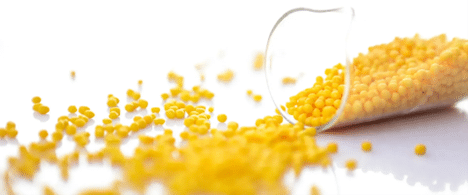
When Do We Need TPE Grades for Manufacturing Our Components?
Thermoplastic elastomers, or TPEs, are physical blends that combine the elastic behavior of elastomers with the processing advantages of thermoplastics. The first commercial TPE grades were introduced in the
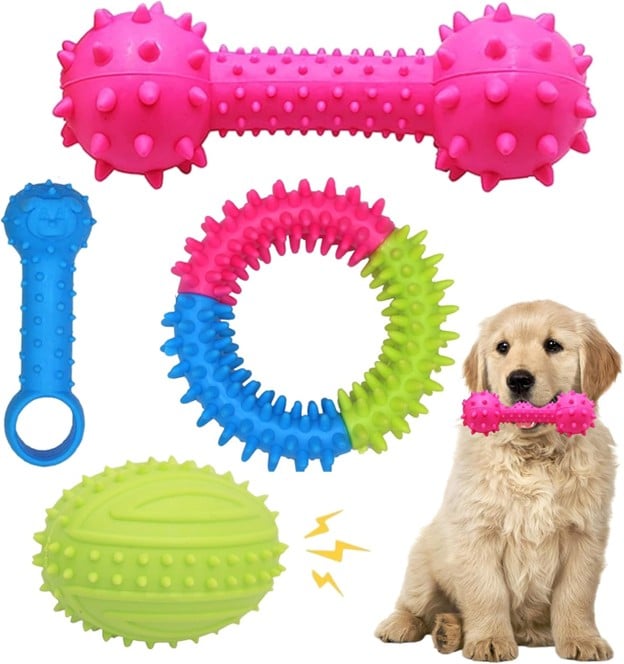
TPE-Based Production of Chew Toys for Pets
The growing awareness of pet owners, particularly dog owners, regarding the safety and quality of pet products has significantly increased the demand for reliable and durable chew toys. Chew
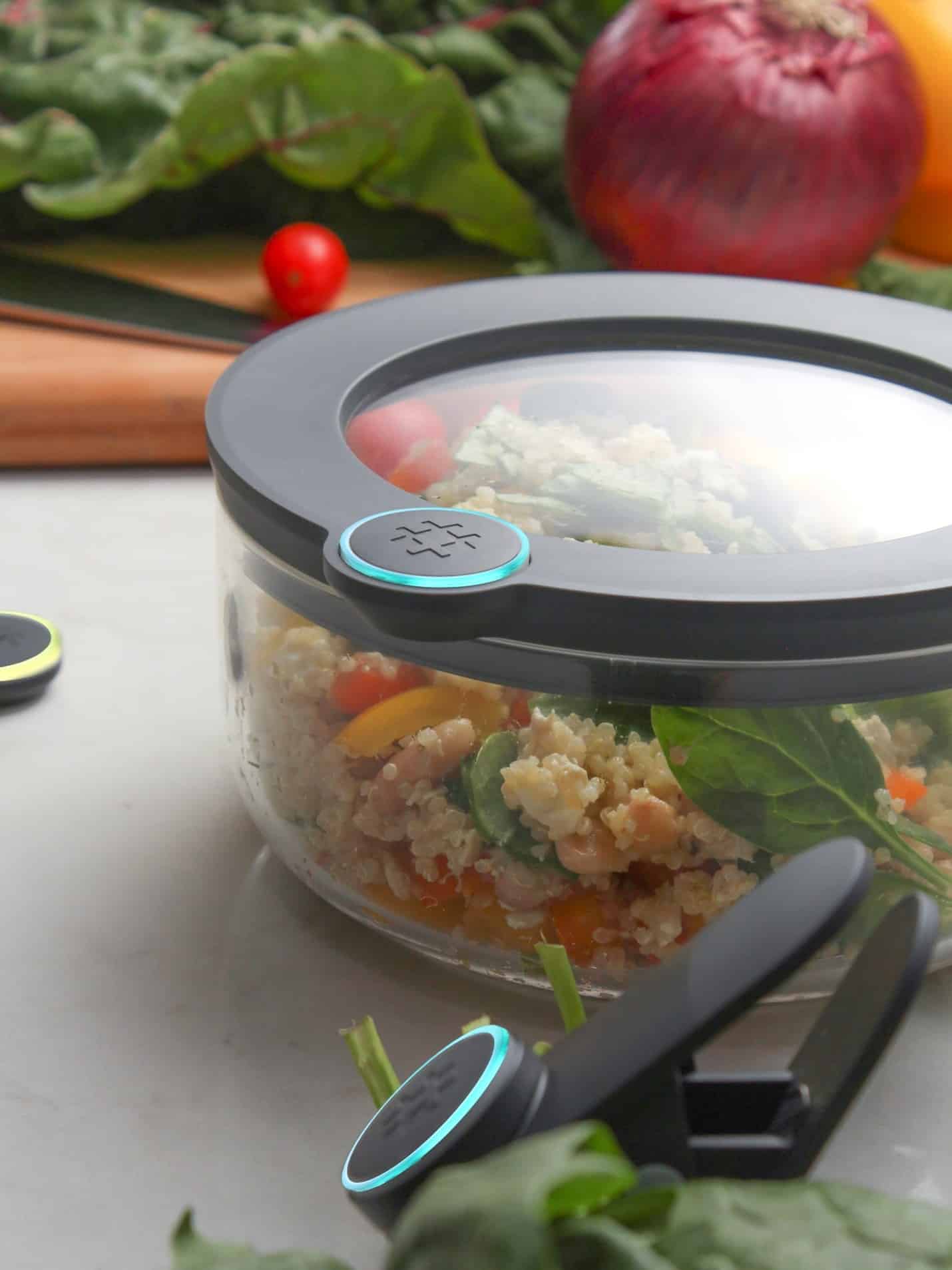
Benefits of Using TPEs for Food Storage Containers
The development of smart food storage containers has accelerated in recent years, driven by the growing demand for improved food safety, quality monitoring, and user convenience. These advanced products