This article will explain the diverse TPE material applications and the broader uses of thermoplastic elastomers (TPEs). The advent of the first TPE in the 1960s inaugurated a novel realm for designers across various industries. Specifically, Thermoplastic Polyurethane (TPU) marked the inaugural commercially viable TPE, finding application in segments such as automotive and shoe sole manufacturing. Subsequently, the discovery of styrenic copolymers like SBS and SEBS led to a rapid decline in TPU usage for shoe sole production. Concurrently, the ascendancy of olefin-based TPEs diminished TPU consumption in automotive contexts, progressively broadening and enhancing the TPE portfolio. The ensuing chart furnishes a qualitative price and property comparison among different TPE types.
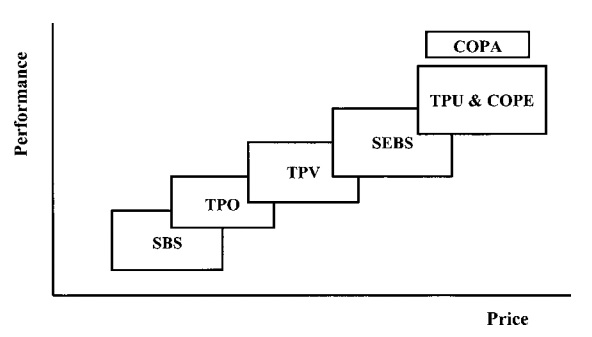
Nowadays, TPE material applications effectively fulfill the requisites of a diverse array of uses, finding pervasive utilization across various industries to craft the components enumerated below.
- Automotive industry
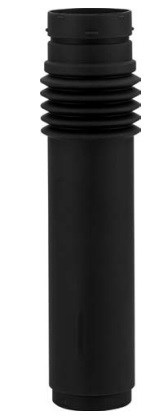
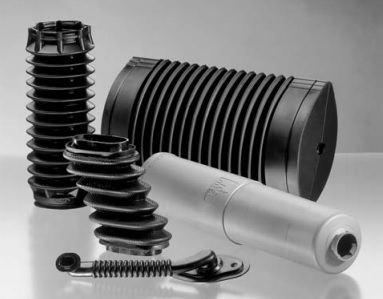
- Different types of dust collectors are used in front parts, steering boxes, suspension systems, etc.
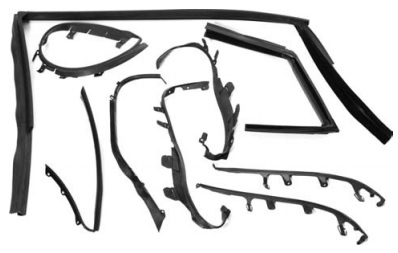
- Door and window gaskets
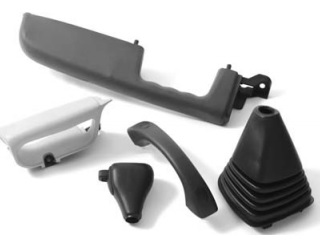
- Decorative parts inside the cabin

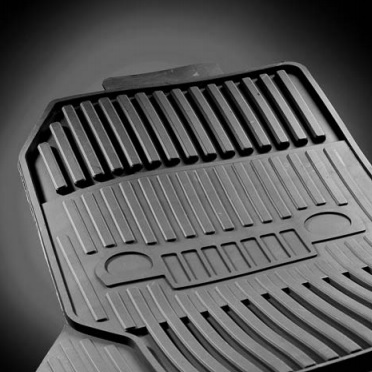
- Flooring and carpeting
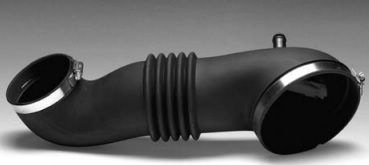
- Air ducts
- Construction
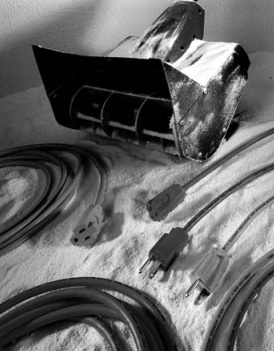
- Wire and cable cover
- Wire and cable cover
- Door and window gaskets
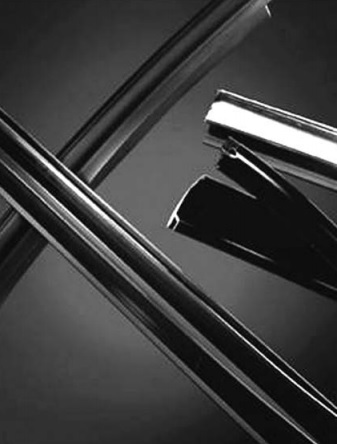
- Electrical and electronic industries
- Production of electrical and electronic equipment body and frame
- Production of electrical and electronic equipment body and frame

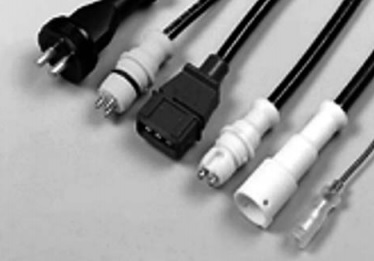
- Sockets and plugs
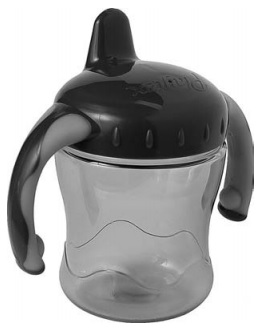
- Household and industrial parts


- Clothing and sports equipment

- Personal and sanitary items

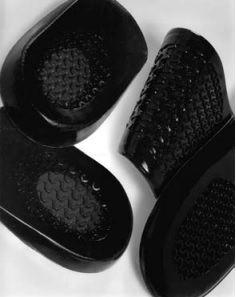
- Shoe soles
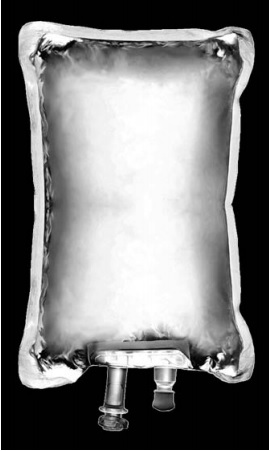
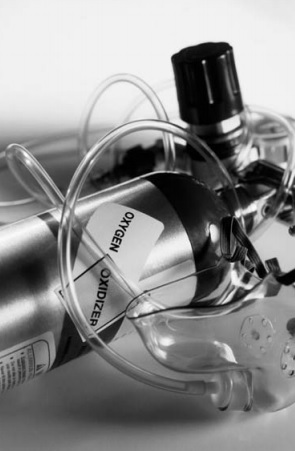
- Medical parts
- Other applications
- Animal identification tags
- Animal identification tags

- Pads used in road construction and railways
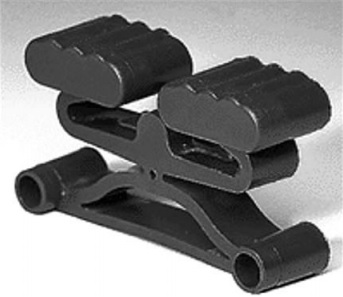
Indeed, the capacity to finely tune the physical and mechanical characteristics within the realm of TPEs, along with the extensive spectrum of attributes encompassed by this group of raw materials, has precipitated the swift evolution of their applications. TPE material applications have significantly expanded due to the versatility and adaptability of these materials in meeting technical and aesthetic requirements.
Within TPEs, the service temperature and mechanical properties can be tailored by selecting the right components. Additionally, other properties including resistance to light, heat, ultraviolet radiation, electrical and thermal conductivity, as well as chemical resilience, can be achieved. The convergence of these factors has propelled TPE material applications to exhibit a greater yearly consumption growth compared to other polymers.
In conclusion, the growth in TPE material applications reflects the material’s ability to adapt to evolving industry needs while maintaining performance, efficiency, and ease of manufacturing.